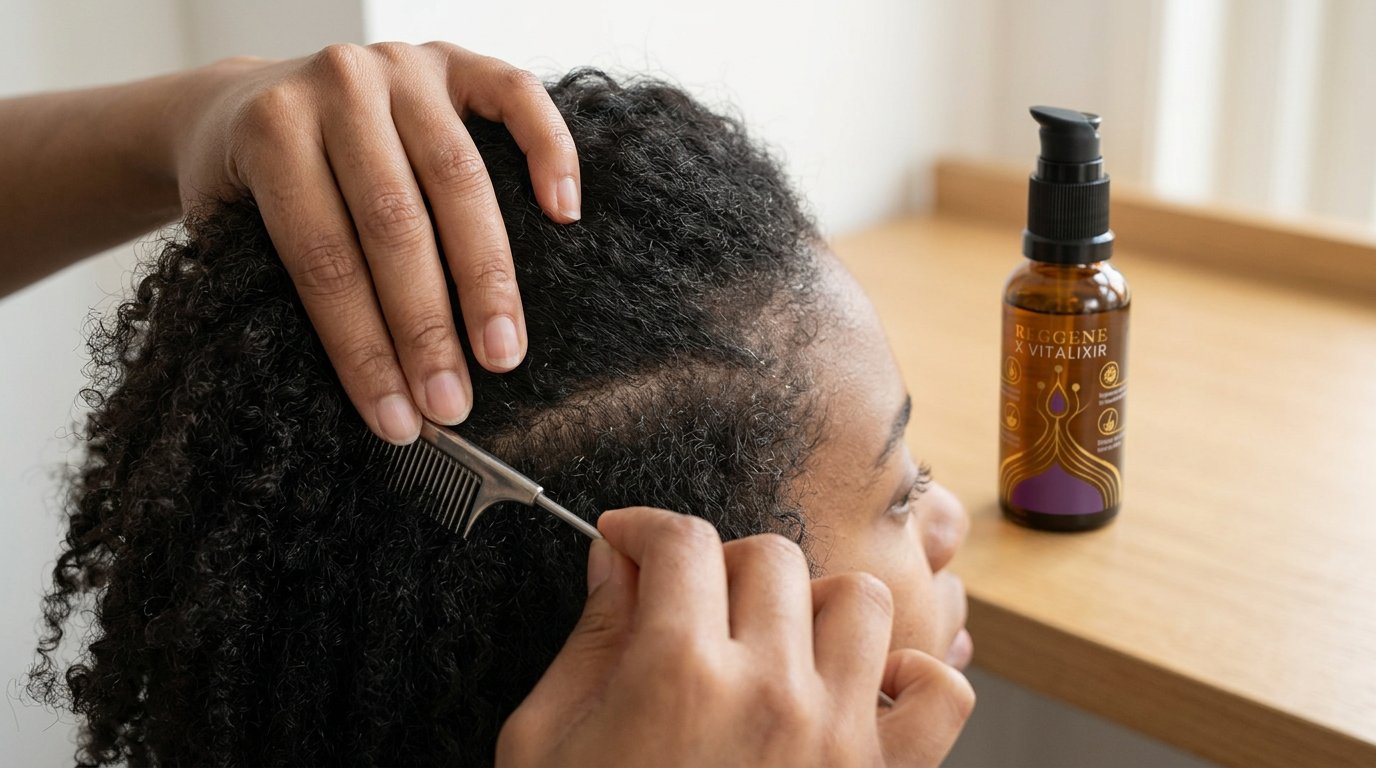
Hair Loss Consultation: Causes, Tests, and Treatment Options
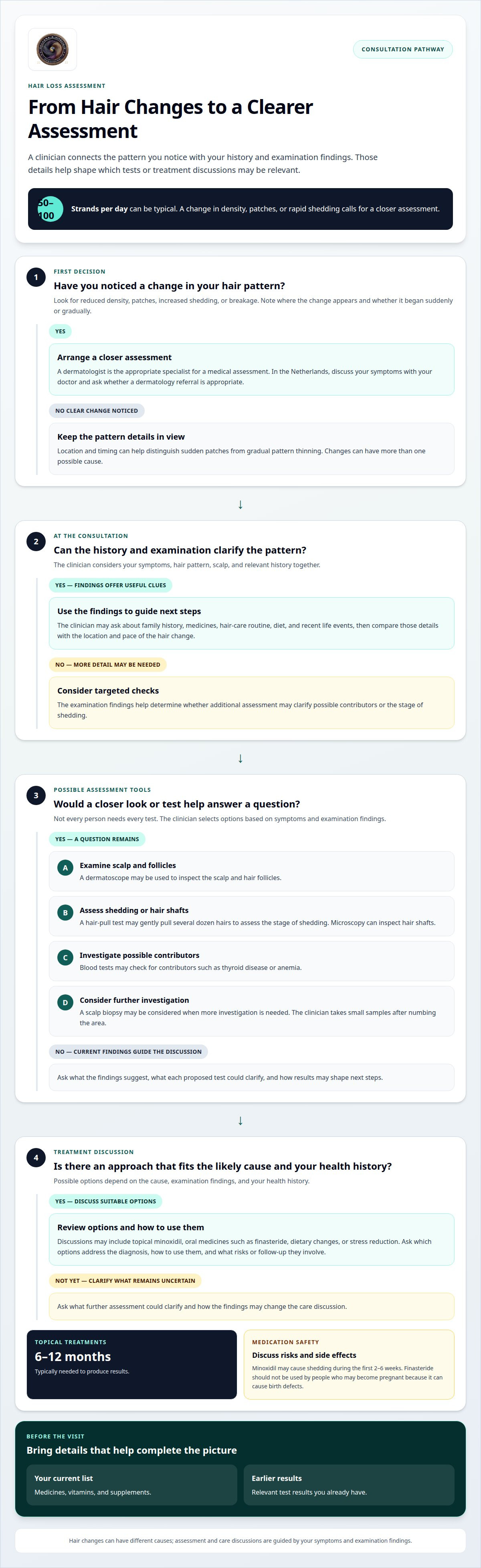
Hair loss is a signal, not a single diagnosis: it can stem from shedding, genetics, autoimmune or autoinflammatory disease, breakage, or a combination, and a hair loss consultation helps connect the pattern you notice with possible causes. Losing about 50-100 strands per day can be typical, but chan…
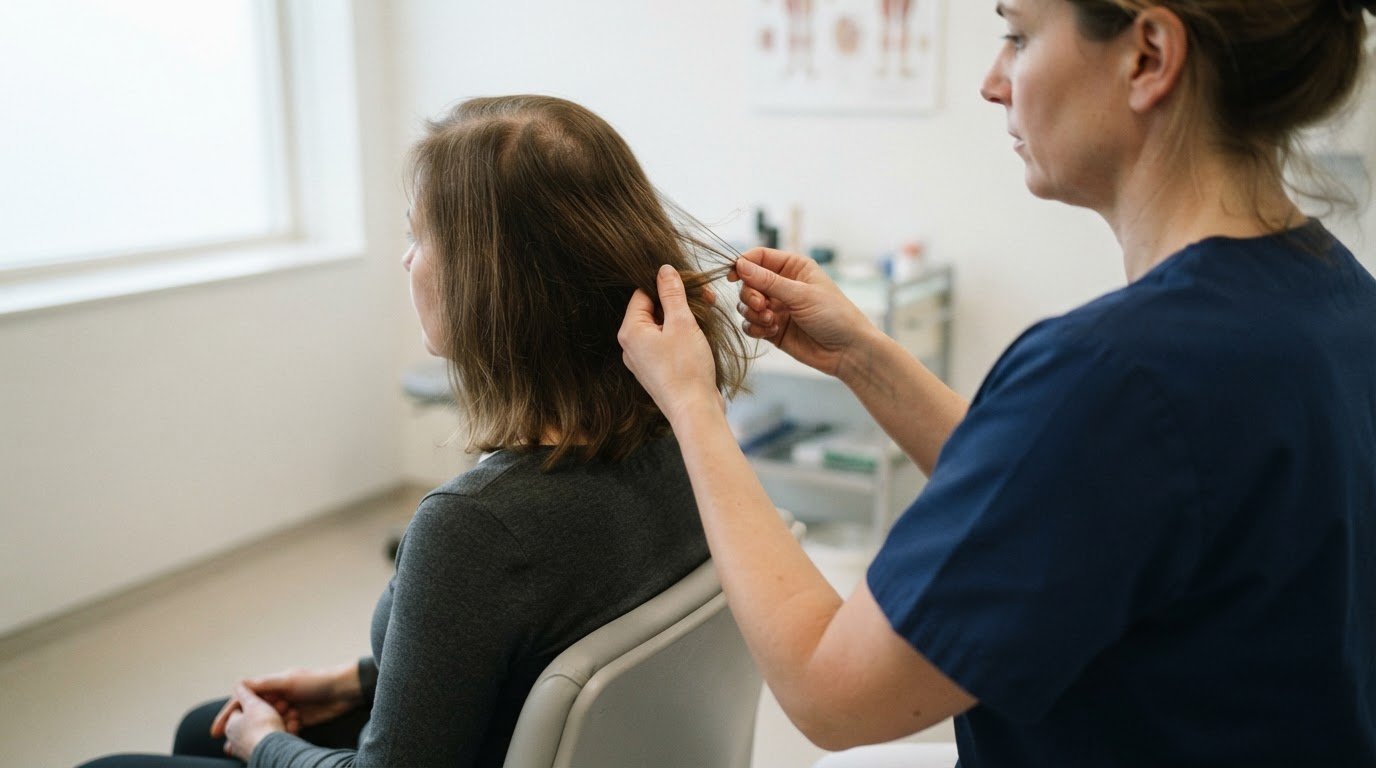
Hair loss is a signal, not a single diagnosis: it can stem from shedding, genetics, autoimmune or autoinflammatory disease, breakage, or a combination, and a hair loss consultation helps connect the pattern you notice with possible causes. Losing about 50-100 strands per day can be typical, but changes in density, patches, or rapid shedding call for a closer assessment.
That assessment may include examining your scalp and hair follicles, a hair-pull test, microscopy, blood tests, or a scalp biopsy. UCLA Health may recommend a scalp biopsy or laboratory tests to investigate possible contributors to hair loss, such as thyroid disease or anemia.
You’ll also learn how findings shape treatment discussions, from topical options such as minoxidil to oral medicines and routine changes. Topical treatments typically take 6-12 months to produce results, and the cause, your health history, and the pattern of loss all matter when considering an approach.
Key Takeaways
- Notice the pattern and timing of hair changes to help clarify which causes may be relevant.
- Learn what a clinician may assess and which findings can guide the next steps.
- Build a care routine around your needs, with consistent use and personalized recommendations.
- Explore Reggene X Vitalixir consultation and product options, plus support for orders within the Netherlands.
Table of Contents
What Causes Hair Loss?
Hair loss can involve shedding, breakage, genetic changes, or immune conditions. People typically lose about 50-100 strands each day, but a changed pattern can point to another cause.
Common Types and Causes of Hair Loss
Hair loss can mean reduced density or increased shedding. Thinning often develops gradually across the scalp. Hereditary hair loss may follow a pattern, while shedding can be more widespread and breakage leaves shorter strands. These changes can overlap. Note where you see the change and whether it began suddenly or gradually. Those details can help distinguish a shift in the growth cycle from ongoing thinning.
Dermatological Causes of Hair Loss
Dermatological causes begin in the scalp or hair follicles, including conditions that affect the skin or immune response. Alopecia areata is an immune-related condition that can cause patchy hair loss; it affects about 2% of the global population. The two broad categories are non-scarring and scarring alopecia. In some cases of alopecia areata, hair regrows without treatment within a year. The distinction matters because scarring can damage follicles, while non-scarring loss may leave them intact.
Diagnosing Hair-Loss Causes
Diagnosis connects the type of hair change with its possible trigger. A doctor may ask about your family history, medicines, hair-care routine, diet, and recent life events. They can compare those details with the location and pace of loss. For example, sudden patches differ from gradual pattern thinning and may point toward different causes. Early assessment matters because treatments can work better before hair follicles become damaged. A clear account of when changes began, where they appear, and what else changed helps shape the investigation.
What to Expect During a Hair Loss Consultation
A clinician assesses your history, hair pattern, and scalp, then considers whether tests or treatment discussions may help. The evaluation is guided by your symptoms and examination findings.
Consultation and Diagnostic Assessment
A dermatologist is the appropriate specialist for a medical assessment of hair loss. A trichologist may focus on hair and scalp care, while a transplant surgeon evaluates surgical options. In the Netherlands, discuss your symptoms with your doctor and ask whether a dermatology referral is appropriate.
Common Diagnostic Tests
Assessment may include a dermatoscope to examine the scalp and hair follicles, blood tests for possible contributors such as thyroid disease or anemia, or microscopy to inspect hair shafts. A scalp biopsy may be considered when further investigation is needed. The clinician takes small samples after numbing the area.
Medication Options and Side Effects
Treatment discussions may include topical minoxidil or oral medicines such as finasteride, depending on the cause and your health history. Minoxidil may cause shedding during the first 2-6 weeks. Finasteride should not be used by people who may become pregnant because it can cause birth defects.
Recommended Treatments
Options depend on the likely cause and may include medication, dietary changes, or stress reduction. Surgery may be discussed in some cases, but it is a separate intervention. Ask which options address your diagnosis, how to use them, and what risks or follow-up they involve.
Hair-Pull Tests
A clinician may gently pull several dozen hairs to assess the stage of shedding. This finding adds information about active hair loss and can help determine whether further examination is needed.
Hair and Scalp Examination
Bring a list of medicines, vitamins, and supplements, along with relevant earlier test results. Ask what each proposed test could clarify and how the findings might shape next steps. A clinician may inspect your scalp, examine follicles with a dermatoscope, or consider a biopsy if other findings leave questions.
Planning a Hair Regrowth Routine
A useful hair regrowth routine should suit your needs, scalp condition, and daily habits. Start by identifying your goal: managing breakage, caring for a thinning scalp, or following a clinician’s treatment plan. Keep the routine focused. Introducing several products or treatments at once can make it harder to tell what suits you or what causes irritation.
Consistency matters more than complexity. Set a regular time for each step, follow product directions, and record what you use. Photos taken in similar lighting can help you observe changes over time without relying on day-to-day impressions. If a clinician recommends medication, follow the prescribed schedule and discuss unwanted effects before changing how you use it.
Choose scalp and hair care that matches your needs. A shampoo can support cleansing, while a topical serum can be one part of a routine; neither replaces diagnosis or prescribed care. ReggeneX Vitalixir Hair Regrowth Serum and the ReggeneX Hair Growth Kit are product options to consider within your broader plan. Their place depends on the routine you want to maintain and the guidance you receive.
Nutrition belongs in the plan when a deficiency is relevant. Vitamin B12, biotin, collagen, and other supplements support hair growth only when you lack the relevant nutrient, so avoid treating supplements as a universal fix. Stress reduction and dietary changes may also form part of hair-loss care. Review your routine as your needs change, and keep notes on application, scalp comfort, and visible patterns to support informed decisions with your clinician.
Reggene X Vitalixir Hair & Beard Consultation and Products
ReggeneX Labs offers a personalized hair and scalp consultation with an assessment and routine recommendations tailored to your concerns and care habits. If you’re unsure how to turn your hair or beard goals into consistent home care, the consultation can help organize your choices into a considered routine. It focuses on matching relevant products with steps you can maintain.
Your assessment can help clarify what you want your routine to address, such as scalp care, thinning, beard care, or day-to-day hair maintenance. Recommendations are personalized, so you can discuss products that fit your preferences rather than treating every routine as identical. Share what you already use and what feels practical. Those details help shape recommendations around your existing habits.
The Reggene X Vitalixir Hair & Beard Regrowth Serum, ReggeneX Vitalixir Shampoo, and Reggene X Vitalixir Conditioner offer distinct options for a hair and beard care routine. The consultation can help you understand how these products may fit alongside one another in your regular care. ReggeneX products undergo clinical testing. Follow each product’s directions, and keep your routine steady so you can assess how it works for you.
A personalized assessment is also an opportunity to ask about routine consistency, product use, and which steps matter most to your goals. If you have sudden hair loss, distinct patches, or scalp symptoms, seek medical assessment. Product recommendations are not a diagnosis or substitute for medical care. Your routine should support your needs without adding unnecessary steps.
Contact ReggeneX Labs about a personalized consultation.
Delivery Across the Netherlands
Customers across the Netherlands can order ReggeneX products for their hair-care routine. Delivery is the practical link between choosing a product and making it part of regular care. Since delivery timings and order details can vary, avoid planning a routine around an assumed arrival date. Begin your routine when your order is with you and you can follow the product directions consistently.
At checkout, enter your full delivery address carefully, including any apartment or access details needed for delivery. Before placing your order, review the selected products and quantities. These simple checks can help prevent address or selection errors. Keep your order confirmation accessible in case you have a question about what you ordered.
Ordering for a specific concern? Choose products that fit the routine you intend to maintain, rather than adding steps without a clear purpose. If you’re considering a serum, shampoo, or conditioner, make sure the selection reflects your care preferences and goals. For questions about products or an existing order, contact customer support with your order details and a clear description of your enquiry. This helps direct the question to the relevant information.
Once your products arrive, read their directions and build them into a routine you can follow. Keep the packaging available while you review product instructions, and store items as directed. If an order arrives with an issue, describe what you received and explain the concern when contacting support. Clear information helps customer service understand the situation and guide the next steps. Delivery supports access to your chosen care, while consistent use and realistic expectations remain part of your own routine.
Choose a Next Step That Fits Your Care
Hair care is easier to maintain when your next step feels clear and manageable. Instead of adding several new measures at once, decide what you want help with: shaping a routine, understanding product use, or discussing changes in your hair and scalp. A hair loss consultation can help clarify those priorities and guide your choices.
ReggeneX Labs offers a ReggeneX Vitalixir Hair & Scalp Consultation, alongside ReggeneX Vitalixir Hair Regrowth Serum and ReggeneX Vitalixir Shampoo. The team can provide personalized evaluations and routine recommendations to support your planning. If hair loss is sudden or accompanied by scalp symptoms, seek medical assessment as part of your care.
When you’re ready to explore a routine that suits your needs, contact ReggeneX Labs to discuss a consultation. A thoughtful next step can help you approach your hair-care goals with greater clarity and confidence.
Frequently Asked Questions
Can a Dermatologist Help with Receding Hairlines in Men?
Yes. A dermatologist can assess a receding hairline and consider whether its shape and progression fit hereditary hair loss or another cause. Before your appointment, note when you first noticed the change and whether it has continued to shift. This timeline gives the specialist useful context and helps you describe the change clearly, rather than relying on memory alone.
Can you grow your hair back if it’s thinning?
Regrowth depends on the cause and the condition of the affected follicles. Where follicles are completely lost, such as on a bald scalp, medical treatments generally cannot restore them. Describe whether you’re seeing overall thinning, a receding hairline, or a smooth bald area so the pattern can be considered when discussing expectations.
Does washing my hair less help?
Washing less doesn’t identify why your hair is thinning, and changing your wash schedule alone may not address the underlying cause. If shedding seems more noticeable on wash days, track whether you also see a change when styling or combing. That context can help distinguish a wash-day observation from a broader change in your hair pattern.
Should I be taking supplements?
Don’t add a supplement without considering your current diet, medicines, and test results. Keep the packaging or ingredient list and share it with your clinician, especially if blood tests are being considered. This gives them a clearer picture of what you take and helps prevent overlapping products from making your routine harder to assess.
What is alopecia?
Alopecia is a broad term for hair loss, not the name of one specific cause. If you see it in notes or hear it during an appointment, ask which type is being discussed and what findings support that description. The added detail matters: the word alone doesn’t tell you what pattern you have or what care may be appropriate.
What happens during a hair loss consultation?
To prepare, write down your questions and list your medicines, vitamins, and supplements. Bring earlier test results related to hair loss. UCLA Health says you may shampoo as usual before the visit. For a scalp examination, wash and comb your hair the day before, then arrive without styling products or extensions so the scalp and hair can be examined.